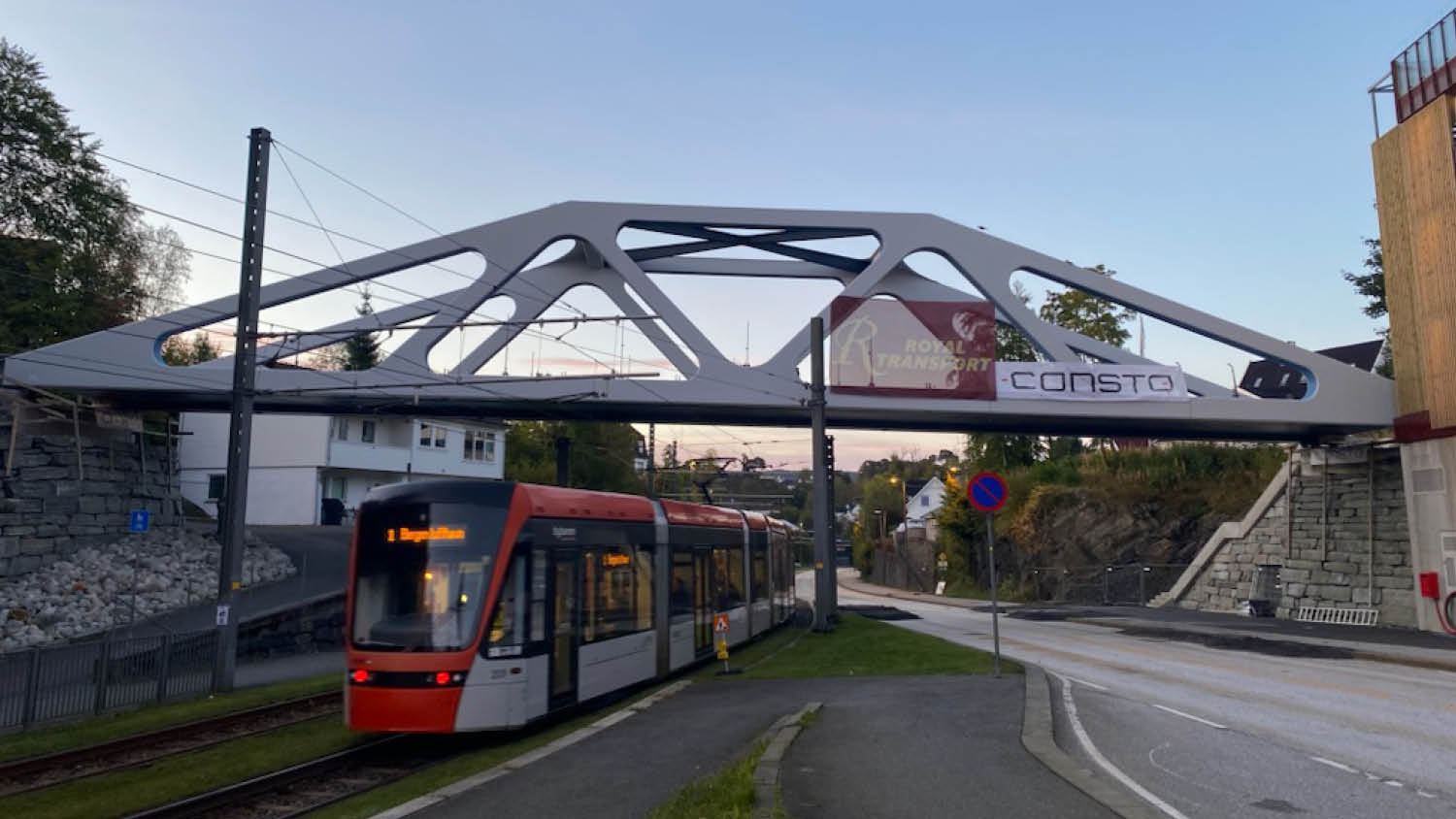
The European Composite Bridge Database is a comprehensive collection of data about existing composite bridges across Europe. This initiative, coordinated by the Norwegian Circular Materials Technology cluster (NCMT), aims to strengthen the composite industry’s position in the construction sector.
What’s in it (for me)?
With the upcoming Composite Eurocode expected to be published in near future, the European composite industry stands before a historic opportunity to establish a firm foothold in the construction sector. The European Composite Bridge Database can help you seize this opportunity through a range of benefits:
● Customer Dialogue: The data and examples from the database provide you with concrete references when convincing potential customers about composite properties and benefits.
● Faster approval process: When regulatory authorities can see documentation from similar projects across Europe, uncertainty is reduced and approval processes accelerate.
● Compete on equal terms: With the Eurocode and a solid database of documentation, composites can finally compete on equal terms with steel and concrete in tenders.
● Collective value: The more companies that contribute data, the stronger the entire industry stands when meeting construction companies and authorities.
Addressing Industry Challenges
Despite composite materials proving to be reliable and efficient solutions in bridge construction, limited access to comprehensive data has been a barrier to widespread adoption. Approval processes have been time-consuming, and decision-makers have lacked the evidence-based information they need to make informed choices.
“Paradoxically, a composite bridge can be installed in one hour, but the approval process can take up to ten years,” explains Alf Egil Jensen, chair of the NCMT board, and CEO of the Norwegian engineering firm FiReCo. “With this database, we are taking the first step toward changing this by making knowledge and experience available to everyone.”
What to expect
The database contains detailed information about each bridge, including:
● Bridge specifications and technical data
● Composite materials and manufacturing methods used
● Engineering metrics crucial for approval processes
● Information about involved stakeholders
The collected data is organized so you can easily navigate between exploring the statistics and combined data, and getting detailed information about each bridge. All data usage will comply with relevant privacy and data protection regulations.
How to Contribute
The success of this database relies on industry participation. Only by sharing data, and collaborating can we as an industry make progress in a construction sector currently dominated by other materials. Therefore we count on the industry openly contributing with data that will allow the database to grow over time. The database will be updated regularly when new bridge data is shared with the developers. You can contribute by:
● Submitting data about your composite bridge projects through this online form
● Connecting NCMT with other bridge constructors and engineers
● Sharing the database initiative within your professional network
● Start using the database and referring to it while navigating tenders and approval processes
Together, we can strengthen the position of composites in bridge construction by sharing knowledge and experience across Europe. By that the composite industry gets a stronger foothold in the building and construction sector.