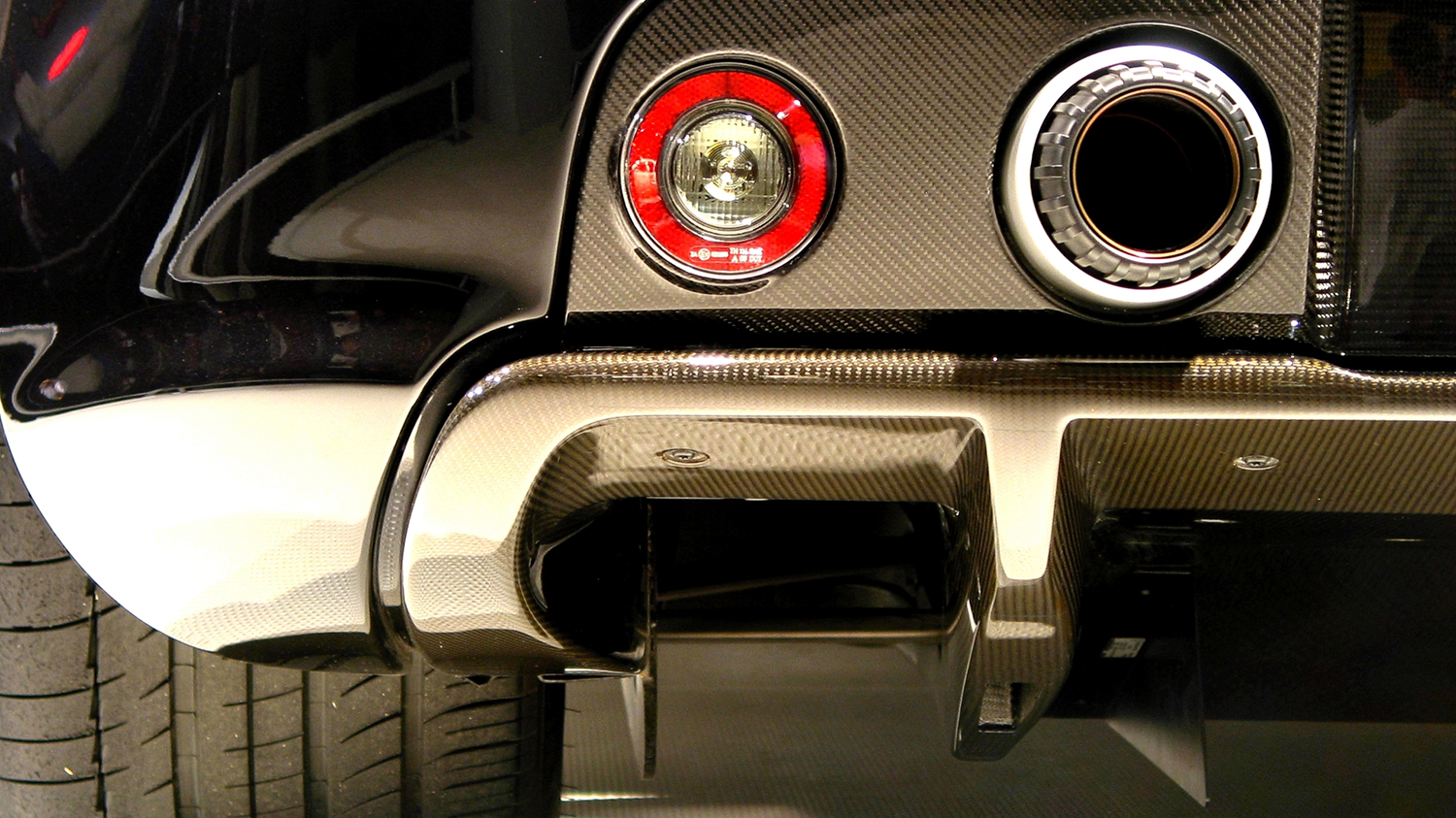
Composite materials have become an integral part of the automotive industry, enabling manufacturers to produce lighter, stronger and more sustainable vehicles. From high-performance sports cars and commercial vehicles to mainstream passenger cars and electric vehicles (EVs), composites are helping improve efficiency, reduce emissions and extend vehicle range while offering greater design flexibility.
The use of composite materials continues to grow as vehicle manufacturers seek innovative solutions to meet increasingly demanding performance, safety and environmental targets.
Vehicle Structures and Body Components
Composites are widely used throughout vehicle structures and exterior bodywork, where reducing weight without compromising strength is a key design objective. Typical applications include:
- Body panels, bonnets and tailgates
- Roofs and roof modules
- Doors and boot lids
- Front-end modules and bumper systems
- Front and rear fascias
- Wings, spoilers and aerodynamic components
- Pick-up truck load beds
- Chassis and monocoque structures (particularly carbon fibre composites)
- Underbody protection panels
Glass fibre reinforced polymer (GFRP) is commonly used for high-volume applications, while carbon fibre reinforced polymer (CFRP) provides exceptional stiffness and weight savings for premium, motorsport and specialist vehicles.
Interior Components
Composite materials are extensively used within vehicle interiors to reduce weight while maintaining durability and high-quality finishes. Applications include:
- Instrument panels
- Door panels
- Centre consoles
- Seat structures and seat backs
- Headliners
- Parcel shelves
- Load floors
- Interior trim components
Natural fibre composites are increasingly being adopted for interior components, offering reduced environmental impact while maintaining excellent mechanical performance.
Electric Vehicles
The transition to electric mobility is creating significant opportunities for composite materials. Lightweight structures help offset the additional weight of battery systems, improving vehicle efficiency and extending driving range.
Applications include:
- Battery enclosures and battery covers
- Battery module components
- Thermal management systems
- Structural battery housings
- Electrical insulation components
- Lightweight body structures
Composites also provide excellent corrosion resistance and electrical insulation, making them well suited to the demands of electrified vehicles.
Commercial Vehicles and Public Transport
Composite materials are widely used in buses, coaches, trucks and specialist vehicles where durability, reduced maintenance and payload improvements deliver significant operational benefits.
Applications include:
- Bus front and rear modules
- Roof systems
- Side panels
- Luggage compartments
- Cab structures
- Aerodynamic fairings
- Interior passenger panels
- Refrigerated vehicle bodies
- Tankers and specialist transport equipment
Reducing vehicle weight enables operators to increase payload capacity while improving fuel efficiency or battery range.
Why Use Composites in Automotive?
The automotive sector continues to expand its use of composite materials because they deliver a unique combination of performance, manufacturing and sustainability benefits.
Key advantages include:
- Significant weight reduction, improving fuel efficiency and electric vehicle range
- High strength-to-weight ratio
- Excellent corrosion and chemical resistance
- Improved crash energy absorption and occupant safety
- Greater design freedom for complex shapes and integrated components
- Reduced part count through component integration
- Lower maintenance requirements and extended service life
- Improved noise and vibration damping
- Compatibility with automated manufacturing processes
- Increasing opportunities for recycled and recyclable composite materials
As automotive manufacturers accelerate the transition towards lower-carbon mobility, composite materials will play an increasingly important role in delivering lighter, more efficient and more sustainable vehicles. Advances in thermoplastic composites, recycled carbon fibre, bio-based materials and high-rate manufacturing technologies are opening new opportunities for composites across both high-volume and specialist vehicle production.